If you manage an RPM program, you already know about the 16-day rule. What you may not know is that the workaround some billing teams use to deal with non-compliant patients - pausing the billing cycle until the patient starts transmitting again - creates a different and arguably more dangerous compliance risk than just losing the revenue.
We just published a full compliance guide on the "Block Gapping" risk in RPM that explains the mechanism, the fraud statutes it triggers, and what to do instead. Below is a practical breakdown of what it means and what to do next.
The Mechanism
Block Gapping is more sophisticated than Block Stretching. It involves stopping the clock between cycles to manipulate the start date of the next period.
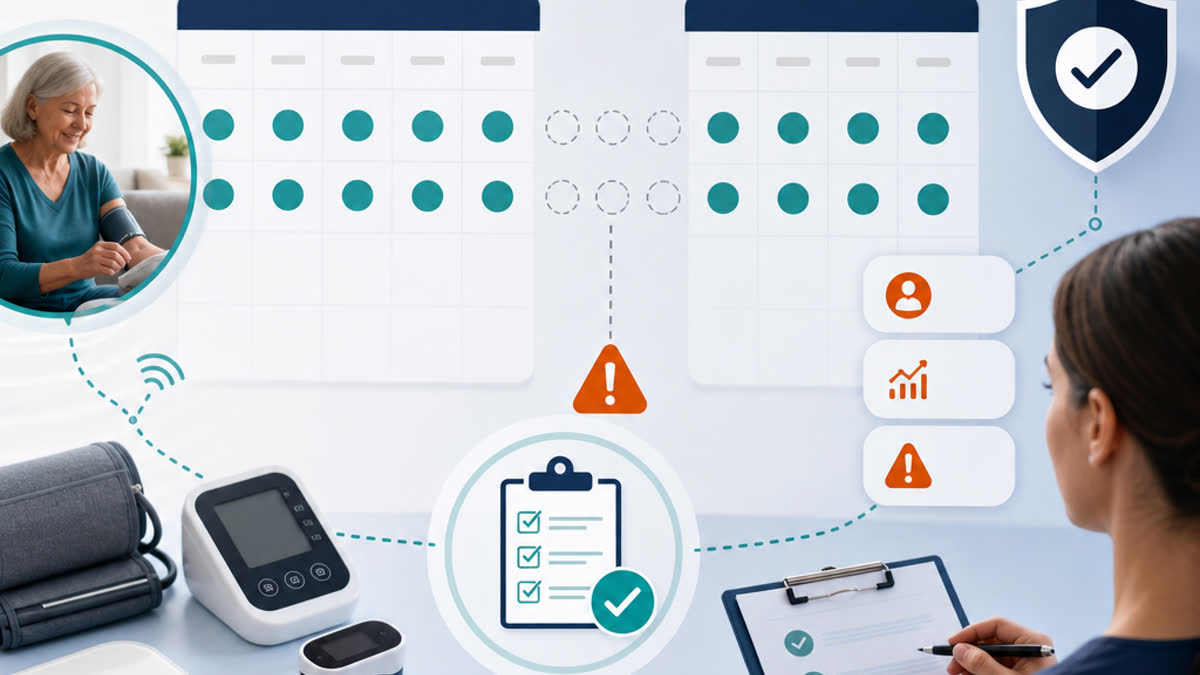
A patient completes a successful 30-day cycle on January 30. You know this patient is erratic. If you start the next cycle immediately on January 31, they might fail. So you program your software to "pause." You leave a 10-day gap (Jan 31 - Feb 9) where no billing cycle is active. You wait until you see the patient start transmitting data again on Feb 10, and then you start the clock for Cycle 2.
You are keeping your cycles strictly to 30 days. You are simply choosing when to start them to maximize the probability of capturing 16 days. You argue: "Why should the clock tick if we aren't billing?"
Why It Is High-Risk
While technically distinct from stretching, Block Gapping invites scrutiny under two specific fraud statutes:
- The Anti-Kickback Statute (AKS): During that 10-day gap, the patient still has the expensive medical device in their home. If you aren't billing for it, you are essentially providing free equipment to a Medicare beneficiary. The OIG views free valuable technology as "remuneration" or an inducement to keep the patient in the practice.
- Medical Necessity (False Claims Act): RPM is designed for chronic care management - heart failure, hypertension, COPD. These conditions do not take a 10-day vacation. By administratively pausing the service, you are creating a medical record that implies the patient didn't need monitoring for those 10 days. If they didn't need it then, why is it medically necessary the rest of the time? It creates a "Schrödinger's Patient" - sick enough to bill for, but healthy enough to ignore during the gaps.
What to Do Instead
The same solution applies here as with Block Stretching: use the new 2-15 day codes (CPT 99445) effective January 1, 2026. Maintain a strict, continuous 30-day calendar. If a patient hits 16 days, bill 99454. If they only hit 10 days, bill 99445. You get paid for the supply either way, without compliance risk.
The root cause of gapping is not malice; it is a lack of tools to drive patient behavior. The fix is to identify patients at risk of missing the 16-day goal early in the cycle and intervene with targeted outreach before the window closes.
The Bottom Line
Block Gapping is not a "smart optimization." It is a compliance trap that creates free-device exposure under the AKS and medical-necessity contradictions under the FCA. With the 2026 short-duration codes now available, there is no reason to pause billing cycles to chase compliance thresholds.
The full guide with the mechanism, fraud-statute analysis, alternatives, and FAQ is at The Compliance Risks of "Block Gapping" in RPM.
Related resources: The "Block Stretching" Trap: 99454 Compliance Guide, 2026 RPM Coding Changes: CPT 99445 & 99470 Explained, OIG RPM Audit Red Flags: What Auditors Look for in Billing Data.
Disclaimer: This article is informational only. Coverage, coding, and rates vary by Medicare Administrative Contractor (MAC) and payer plan. Confirm payer-specific requirements with your billing team or counsel.