If you manage a Remote Physiological Monitoring (RPM) program, CPT code 99454 is likely your biggest source of revenue and, also likely, your biggest headache. The 16-day requirement - the patient must transmit data on at least 16 separate days within a 30-day period - creates a reimbursement cliff that drives some billing teams to do things they should not do.
We just published a full compliance guide on the "Block Stretching" trap and 99454 compliance that explains the mechanism, why it is non-compliant, and what to do instead. Below is a practical breakdown of what it means and what to do next.
The Mechanism
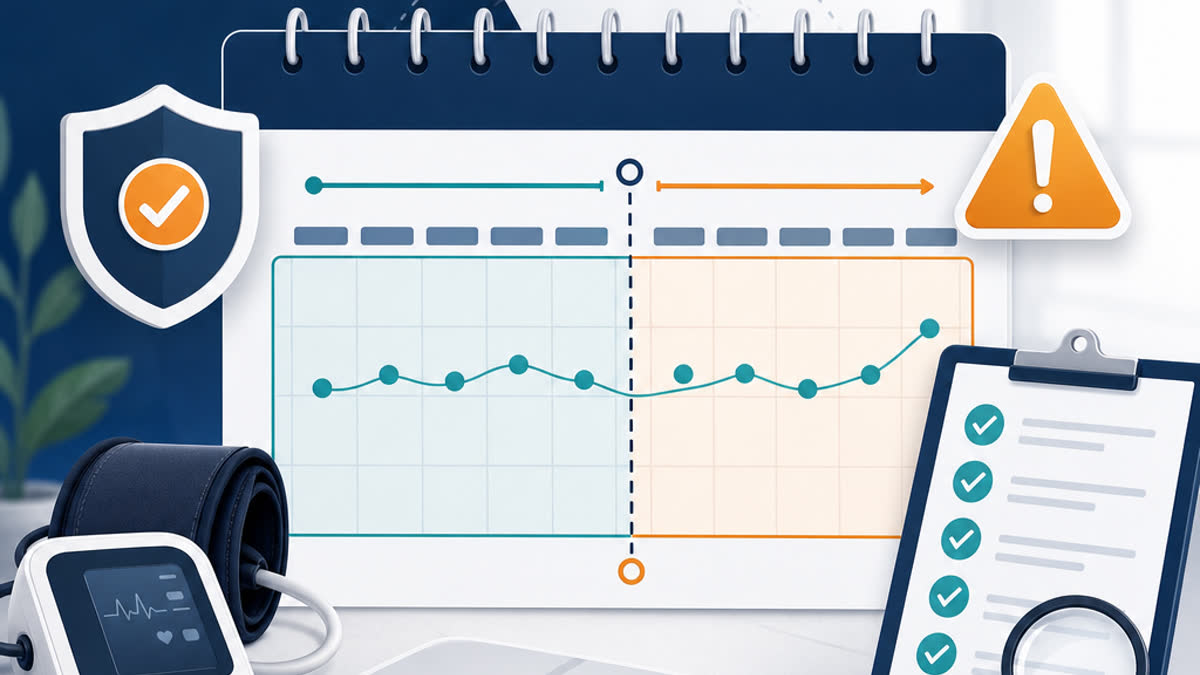
Block Stretching is the attempt to lengthen the billing window to capture late data. A patient transmits 12 days of readings by Day 30. Instead of closing the month as a loss, you keep the billing window open until Day 45, by which point the patient has sent in 4 more readings. You now have 16 readings total. You bill CPT 99454 for this 45-day duration as a single unit of service.
You are not fabricating data. The patient did take 16 readings; they just took a little longer. You argue that you are simply billing for a "unit of work" rather than a calendar month.
Why It Is Non-Compliant
The CPT descriptor for 99454 explicitly states "each 30 days." The code is time-based, not volume-based. The 30-day clock is a rigid, rolling window that begins the moment the device is set up. You cannot alter the unit of time to accommodate the volume of data.
When you stretch Cycle 1 to 45 days, you are stealing 15 days from Cycle 2. This creates a cascading delay where your dates of service drift further and further away from the calendar year, creating impossible overlaps and gaps that are easily flagged by claims processing algorithms.
What to Do Instead
There are two valid paths forward:
1. Use the new 2-15 day codes (effective Jan 1, 2026). CPT 99445 pays for device supply when a patient transmits 2 to 15 days of data. Stop stretching. Maintain a strict, continuous 30-day calendar. If a patient hits 16 days, bill 99454. If they only hit 10 days, bill 99445. You get paid for the supply either way, without compliance risk.
2. Drive utilization instead of manipulating dates. The root cause of stretching is not malice; it is a lack of tools to drive patient behavior. Identify patients at risk of missing the 16-day goal early in the cycle and intervene with targeted outreach before the window closes.
The Bottom Line
The 16-day rule is rigid, but with the 2026 short-duration codes now available, the need for "clever" workarounds is over. If you are still stretching billing windows, you are creating audit exposure for a problem that has a compliant solution.
The full guide with the mechanism, compliance analysis, alternatives, and FAQ is at The "Block Stretching" Trap: 99454 Compliance Guide.
Related resources: The Compliance Risks of "Block Gapping" in RPM, 2026 RPM Coding Changes: CPT 99445 & 99470 Explained, The OIG's 2026 RPM Audit is Scheduled: Are You Ready?.
Disclaimer: This article is informational only. Coverage, coding, and rates vary by Medicare Administrative Contractor (MAC) and payer plan. Confirm payer-specific requirements with your billing team or counsel.